
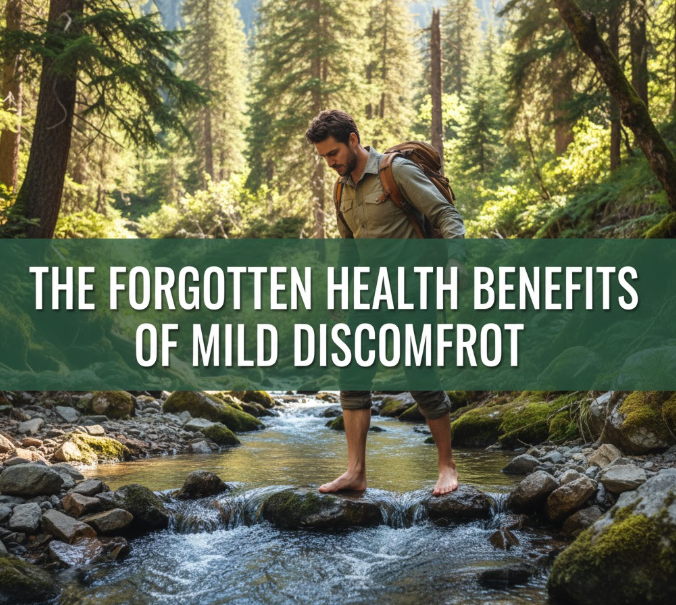
Why We’ve Become Allergic to Discomfort
We live in an age of extreme comfort. Central heating keeps us warm. Air conditioning keeps us cool. Soft mattresses cradle our bodies. Food arrives at our door with a few taps on a phone.
But here’s something strange: as our lives got more comfortable, many health problems got worse. Anxiety rates have skyrocketed. Immune systems seem weaker. Mental toughness appears to be declining.
Could our obsession with comfort actually be hurting us?
Scientists are discovering that mild discomfort—the kind our ancestors dealt with daily—might be essential for good health. We’re not talking about suffering or extreme pain. We mean temporary, manageable discomfort like being a bit cold, a bit hungry, or physically challenged.
This article explores the surprising ways that small doses of discomfort can make you healthier, stronger, and more resilient.
What Counts as “Mild Discomfort”?
Before diving deeper, let’s define what we mean. Mild discomfort includes:
- Feeling slightly cold or hot
- Brief periods without food (intermittent fasting)
- Physical exertion during exercise
- Taking cold showers
- Sitting in heat (like saunas)
- Mental challenges that feel difficult
- Delayed gratification
These experiences share something in common. They push your body slightly beyond its comfort zone without causing harm. Think of them as exercise for your whole system, not just your muscles.
The Science Behind Discomfort and Health
Your body has an amazing ability called hormesis. This fancy word describes something simple: small amounts of stress make you stronger.
Think about lifting weights. The exercise damages your muscle fibers slightly. This feels uncomfortable. But your body responds by building those muscles back stronger than before.
The same principle applies to many types of mild discomfort. Your body interprets the challenge as a signal to adapt and improve.
How Your Body Responds to Mild Stress
When you experience mild discomfort, several things happen:
- Stress proteins activate to protect your cells
- Inflammation temporarily increases, then decreases
- Your immune system gets practice responding to challenges
- Your nervous system becomes more adaptable
- Your body creates new mitochondria (energy factories in cells)
This adaptive response makes you more resilient over time.
Cold Exposure: The Chill That Heals
Taking cold showers might sound unpleasant. But the health benefits are remarkable.
What Happens When You Get Cold
When cold water hits your skin, your body springs into action. Blood vessels constrict. Your heart rate increases slightly. You breathe deeper. Brown fat (the good kind) activates to generate heat.
Regular cold exposure can:
- Boost your immune system
- Improve circulation
- Increase metabolism
- Enhance mood through endorphin release
- Reduce inflammation throughout your body
- Sharpen mental clarity
Real Results from Cold Therapy
Studies show that people who take cold showers regularly get sick less often. One Dutch study found that cold shower takers called in sick 29% less than people who took only warm showers.
Athletes use ice baths to recover faster. But you don’t need to be an athlete to benefit. Even 30 seconds of cold water at the end of your shower can help.
Heat Stress: Sweating Your Way to Better Health
Just as cold has benefits, so does heat. Cultures around the world have used saunas and steam rooms for centuries.
The Power of Sweating
When you sit in a sauna or hot bath, your body temperature rises. Your heart works harder. You sweat profusely. This feels uncomfortable, but it triggers powerful health responses.
Regular heat exposure can:
- Improve cardiovascular health
- Help remove toxins through sweat
- Increase growth hormone production
- Boost brain-derived neurotrophic factor (BDNF) for brain health
- Reduce risk of dementia and Alzheimer’s
- Lower blood pressure over time
How Often Should You Heat Up?
Research from Finland shows impressive results. People who used saunas 4-7 times per week had a 66% lower risk of dementia compared to those who used them once weekly.
You don’t need a fancy sauna. A hot bath, a steam room at the gym, or even vigorous exercise in warm conditions can provide similar benefits.
Hunger: Why Skipping Meals Isn’t Always Bad
Modern humans rarely experience real hunger. Food is everywhere, all the time. But brief periods without food can trigger remarkable health benefits.
Intermittent Fasting Explained
Intermittent fasting means going without food for specific periods. Common approaches include:
- 16:8 method (fast for 16 hours, eat during 8 hours)
- 5:2 diet (eat normally 5 days, restrict calories 2 days)
- One meal a day (OMAD)
During fasting periods, you might feel hungry or slightly uncomfortable. This is the signal that beneficial processes are starting.
What Happens When You Fast
When you stop eating for several hours, amazing things occur:
Your body switches from burning glucose to burning fat. This metabolic switch triggers autophagy—your cells’ self-cleaning process. Old, damaged cell parts get recycled. Inflammation decreases. Insulin sensitivity improves.
Fasting can:
- Promote weight loss and fat burning
- Improve blood sugar control
- Enhance brain function
- Reduce inflammation markers
- Increase longevity genes
- Support heart health
Studies show that intermittent fasting may help prevent diabetes, heart disease, and even some cancers. The mild discomfort of hunger becomes a signal for renewal.
Physical Exertion: Embracing the Burn
Exercise is uncomfortable. Your muscles ache. You get out of breath. You sweat. But this discomfort creates profound health benefits.
Beyond the Obvious
Everyone knows exercise helps with weight and fitness. But the benefits go much deeper.
When you push yourself physically:
- Your brain releases feel-good chemicals called endorphins
- New brain cells form (neurogenesis)
- Stress resistance improves
- Sleep quality increases
- Chronic disease risk drops dramatically
The key is that the exercise must feel somewhat challenging. If it’s too easy, you won’t trigger the adaptive response. The discomfort is the signal for your body to improve.
Finding Your Sweet Spot
You don’t need to become an extreme athlete. Even moderate exercise that makes you slightly uncomfortable provides benefits.
A brisk walk that makes you breathe harder counts. Climbing stairs until your legs burn counts. Any activity that temporarily pushes you beyond your comfort zone works.
Mental Discomfort: Growing Through Challenges
Discomfort isn’t just physical. Mental challenges that feel difficult also promote growth.
The Comfort Zone Trap
When you always choose the easy path, your brain stays in familiar patterns. You might feel safe, but you’re not growing.
Mental discomfort includes:
- Learning difficult new skills
- Having uncomfortable conversations
- Facing fears in small steps
- Solving complex problems
- Practicing delayed gratification
How Mental Challenges Help
Each time you push through mental discomfort, you build:
- Stronger willpower
- Better emotional regulation
- Increased confidence
- Enhanced problem-solving abilities
- Greater stress resilience
Think of mental discomfort like exercise for your brain. The struggle makes you sharper and more capable.
The Immunity Connection
Your immune system needs practice to work properly. Mild discomfort provides that practice.
Why Clean Living Might Weaken Immunity
The “hygiene hypothesis” suggests that extremely clean, comfortable environments might weaken our immune systems. Without regular, mild challenges, our immune systems can become oversensitive or underactive.
This might explain rising rates of:
- Allergies
- Autoimmune diseases
- Asthma
- Food sensitivities
Mild stressors like cold exposure, fasting, and exercise help train your immune system. They provide practice without causing harm.
Practical Ways to Add Healthy Discomfort
Ready to benefit from mild discomfort? Start small and build gradually.
Beginner-Friendly Approaches
Cold Exposure:
- End your shower with 30 seconds of cold water
- Gradually increase to 2-3 minutes over weeks
- Try splashing cold water on your face in the morning
Heat Therapy:
- Take a hot bath for 20 minutes
- Visit a sauna if available
- Do light exercise in warm conditions
Intermittent Fasting:
- Start by skipping breakfast once or twice per week
- Gradually extend your overnight fast to 14-16 hours
- Stay hydrated during fasting periods
Physical Challenge:
- Take stairs instead of elevators
- Walk at a pace that makes you slightly breathless
- Try bodyweight exercises until you feel the burn
Mental Stretch:
- Learn a new skill that feels challenging
- Have one difficult conversation you’ve been avoiding
- Practice saying no to immediate rewards
Safety First
Always listen to your body. Mild discomfort should never become severe pain or extreme stress. If you have health conditions, consult your doctor before starting any new practice.
The Psychological Benefits
Beyond physical health, mild discomfort builds mental strength.
Building Resilience
Each time you voluntarily face discomfort, you prove to yourself that you can handle challenges. This builds confidence that extends to other areas of life.
People who regularly practice mild discomfort report:
- Less anxiety about daily challenges
- Better stress management
- Improved mood and outlook
- Greater sense of control
- Enhanced self-discipline
The Achievement Feeling
There’s a unique satisfaction in doing difficult things. After a cold shower or tough workout, you feel accomplished. This feeling compounds over time, creating a positive cycle.
What Research Shows: The Evidence Table
| Type of Discomfort | Key Benefits | Research Findings |
|---|---|---|
| Cold Exposure | Immune boost, mood improvement | 29% fewer sick days in regular cold shower users |
| Sauna/Heat | Heart health, longevity | 66% lower dementia risk with frequent sauna use |
| Intermittent Fasting | Weight loss, cellular repair | Improved insulin sensitivity and inflammation markers |
| Exercise | Brain health, disease prevention | 30% lower all-cause mortality in active individuals |
| Mental Challenge | Stress resilience, neuroplasticity | Increased gray matter in brain regions tied to willpower |
Common Mistakes to Avoid
As you incorporate healthy discomfort, watch out for these pitfalls:
Doing Too Much Too Soon: Start small. Your body needs time to adapt. Jumping into extreme practices can backfire.
Ignoring Warning Signs: Mild discomfort is good. Severe pain or distress is not. Learn the difference.
Being Inconsistent: Benefits come from regular practice. Occasional cold showers won’t help much.
Neglecting Recovery: Your body needs rest between challenges. Don’t stack multiple intense stressors without recovery time.
Making It Miserable: This should enhance your life, not make you miserable. If you hate a practice, try a different approach.
Creating Your Personal Discomfort Plan
Everyone’s different. Design a plan that fits your life and goals.
Week One: Assess Your Comfort
Notice how much comfort you seek. Do you immediately adjust the thermostat when slightly cold? Eat at the first sign of hunger? Avoid any physical exertion?
Write down your current patterns.
Week Two: Pick One Practice
Choose the approach that appeals most to you. Maybe it’s cold showers, or perhaps intermittent fasting. Start with just one practice.
Week Three: Build Consistency
Do your chosen practice daily or several times per week. Track how you feel. Notice any changes in energy, mood, or health.
Week Four and Beyond: Add Gradually
Once one practice feels normal, consider adding another. Build a collection of healthy discomforts that work for you.
The Cultural Shift We Need
Modern culture treats all discomfort as bad. We’re told to maximize comfort and minimize any unpleasant feelings.
But maybe we need a new perspective. Perhaps we should see mild discomfort as an opportunity for growth rather than something to avoid.
Ancient cultures understood this. Stoic philosophers deliberately practiced discomfort. Traditional societies incorporated fasting into their rhythms. Cold water immersion was common in many cultures.
We can reclaim this wisdom while keeping modern benefits.
Frequently Asked Questions
How long until I see benefits from practicing mild discomfort?
Most people notice mood and energy improvements within one to two weeks. Physical changes like improved immunity or metabolism take four to eight weeks of consistent practice.
Is mild discomfort safe for everyone?
Most healthy adults can safely practice mild discomfort. However, people with heart conditions, eating disorders, or other health issues should consult a doctor first. Pregnant women should also get medical guidance.
Can I do multiple types of discomfort in one day?
Yes, but start conservatively. You might do a cold shower in the morning and skip breakfast for intermittent fasting. Just don’t overwhelm your system with too many stressors at once, especially when beginning.
What if I really hate being uncomfortable?
That’s normal at first. The discomfort becomes easier with practice. Start with the smallest possible challenge and build gradually. Many people find they actually enjoy these practices after a few weeks.
Will this help with anxiety or depression?
Research suggests that practices like cold exposure, exercise, and heat therapy can improve mood and reduce anxiety. However, these shouldn’t replace professional treatment for mental health conditions. They work best as complementary approaches.
How do I know if I’m doing too much?
Warning signs include: excessive fatigue, getting sick frequently, trouble sleeping, loss of appetite, persistent soreness, or dreading your practices. If you notice these, scale back and allow more recovery time.
The Bottom Line
We’ve become too comfortable for our own good. Our bodies and minds evolved to handle mild challenges and stressors. Without them, we miss out on powerful health benefits.
The forgotten health benefits of mild discomfort include stronger immune systems, better mental health, improved physical resilience, and enhanced longevity. By voluntarily incorporating small amounts of discomfort into your routine, you activate ancient health mechanisms that modern comfort has turned off.
You don’t need to become extreme or make yourself miserable. Small, manageable challenges—a cold shower, skipping a meal occasionally, exercising until you’re slightly winded—can trigger profound benefits.
The path to better health might not be adding more comfort. It might be rediscovering the power of being temporarily uncomfortable. Your ancestors knew this instinctively. Now science is proving them right.
Start small today. Pick one practice. Experience the surprising benefits of mild discomfort. Your future self will thank you.