
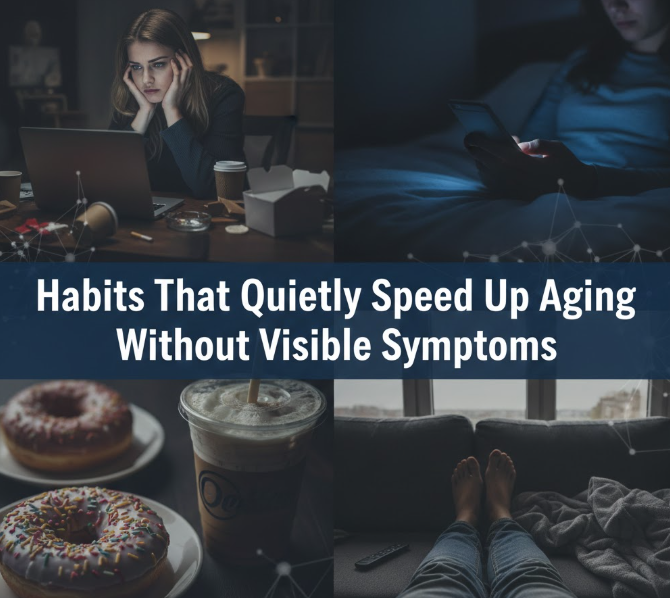
The Silent Thieves of Youth
You check the mirror each morning, looking for wrinkles or gray hairs. But what if aging happens where you can’t see it? Your organs, bones, and cells might be getting older faster than your reflection shows.
Many daily habits steal years from your life without showing obvious signs. These invisible aging accelerators work quietly inside your body. By the time you notice the damage, it might be harder to reverse.
This article reveals the sneaky habits that make you age faster internally. You’ll learn what’s happening beneath the surface and how to protect yourself.
Why Internal Aging Matters More Than You Think
External aging shows up as wrinkles, spots, and sagging skin. Internal aging affects your organs, blood vessels, bones, and brain. This hidden damage determines how well you function as you get older.
Your heart might be working harder than it should. Your bones could be losing density. Your arteries might be getting stiff. None of these problems show up in the mirror right away.
Internal aging affects your energy levels, disease risk, and lifespan. Someone who looks young on the outside might have the internal age of someone much older. That’s why focusing only on appearance misses the bigger picture.
Skipping Sleep Damages More Than Your Mood
Sleep deprivation ranks among the worst aging accelerators. When you regularly get less than seven hours of sleep, your body can’t complete essential repair work.
What Happens During Poor Sleep
Your cells clean out waste products during deep sleep. This process, called autophagy, removes damaged proteins and other cellular debris. Without enough sleep, this cleanup doesn’t happen properly.
Your immune system weakens when you don’t sleep enough. Studies show that people who sleep six hours or less have shorter telomeres. Telomeres are protective caps on your DNA that get shorter as you age.
Poor sleep also increases inflammation throughout your body. Chronic inflammation damages organs and speeds up aging processes. Your brain particularly suffers from sleep deprivation. It can’t clear out beta-amyloid proteins that contribute to cognitive decline.
The Blood Sugar Connection
Lack of sleep messes with your hormones. It increases cortisol (your stress hormone) and decreases insulin sensitivity. This means your body struggles to process sugar properly, leading to faster aging of blood vessels and organs.
Sitting All Day Silently Ages Your Body
Modern life keeps most people sitting for hours. This sedentary lifestyle damages your body in ways that don’t show up immediately.
The Metabolic Slowdown
When you sit for extended periods, your metabolism slows dramatically. Your body burns fewer calories and processes fats differently. This increases your risk of metabolic syndrome, which accelerates aging.
Your muscles become insulin resistant when inactive. This means they can’t use glucose effectively, forcing your pancreas to work harder. Over time, this strains your entire metabolic system.
Bone and Muscle Loss
Sitting doesn’t challenge your bones and muscles enough. Your body responds by breaking them down slowly. This process, called sarcopenia for muscles and osteoporosis for bones, happens gradually.
You might not notice until you’re much older and suddenly realize you’re weaker or more prone to fractures. Weight-bearing activities signal your body to maintain bone density. Without these signals, your bones quietly lose strength.
Chronic Stress Creates Invisible Damage
Stress doesn’t just make you feel bad. It physically ages your body at the cellular level.
The Cortisol Problem
When stressed, your body releases cortisol. Short bursts of cortisol help you handle challenges. But chronic stress keeps cortisol levels elevated constantly.
High cortisol damages the hippocampus in your brain, affecting memory and learning. It also increases inflammation, raises blood pressure, and promotes fat storage around your organs. This visceral fat releases chemicals that accelerate aging.
Cellular Aging From Stress
Research shows that chronic stress shortens telomeres faster than normal aging. One study found that caregivers under constant stress had telomeres equivalent to someone ten years older.
Stress also increases oxidative damage in your cells. Free radicals multiply when you’re stressed, damaging cell membranes, proteins, and DNA. This oxidative stress is a major driver of aging.
Eating Too Much Sugar Speeds Up Aging
Sugar tastes good but damages your body through a process called glycation. This happens when sugar molecules attach to proteins or fats without enzymes controlling the process.
Advanced Glycation End Products
These sugar-protein combinations create harmful compounds called AGEs (Advanced Glycation End Products). AGEs damage collagen and elastin, making tissues stiff and less functional.
Your skin loses elasticity from AGEs, but so do your blood vessels and organs. Stiff arteries force your heart to work harder. This cardiovascular strain happens long before you notice any symptoms.
The Insulin Roller Coaster
High sugar intake constantly spikes your insulin levels. Over time, your cells become less responsive to insulin. This insulin resistance forces your pancreas to produce even more insulin, creating a vicious cycle.
This metabolic stress ages your organs faster. Your liver, kidneys, and pancreas all suffer from the constant burden of processing excess sugar.
Ignoring Dental Health Affects More Than Your Teeth
Most people don’t connect oral health with overall aging. But gum disease and poor dental hygiene have far-reaching effects.
The Inflammation Connection
Gum disease causes chronic low-grade inflammation. Bacteria from your mouth enter your bloodstream, triggering immune responses throughout your body.
This inflammation contributes to heart disease, diabetes, and cognitive decline. Studies link gum disease to increased risk of dementia and Alzheimer’s disease.
Systemic Effects
Poor oral health changes your gut microbiome. When harmful mouth bacteria reach your digestive system, they disrupt the balance of good bacteria. This affects everything from immune function to mental health.
Dehydration Quietly Damages Your Organs
Many people walk around mildly dehydrated without realizing it. This chronic dehydration stresses your body and speeds up aging.
How Dehydration Ages You
Water is essential for every cellular process. When dehydrated, your cells can’t function efficiently. Your blood becomes thicker, forcing your heart to work harder.
Your kidneys struggle to filter waste products properly when you’re dehydrated. Over time, this can lead to kidney damage and increased toxin buildup in your body.
Brain Impact
Your brain is about 75% water. Even mild dehydration affects cognitive function, memory, and mood. Chronic dehydration may contribute to faster brain aging and increased dementia risk.
Skipping Strength Training Accelerates Muscle Loss
Cardio gets all the attention, but strength training might be more important for healthy aging.
Muscle Mass and Metabolism
After age 30, you naturally lose about 3-5% of muscle mass per decade if you don’t maintain it. This loss accelerates after 60. Muscle tissue is metabolically active, meaning it burns calories even at rest.
Losing muscle slows your metabolism and reduces your functional capacity. This makes everyday tasks harder and increases fall risk as you age.
Hormonal Benefits
Strength training stimulates production of growth hormones that help maintain youthful function. It also improves insulin sensitivity better than cardio alone.
Building muscle protects your joints and bones. Strong muscles reduce stress on joints and signal bones to maintain density.
Table: Invisible Aging Habits and Their Hidden Effects
| Habit | Internal Damage | Timeline Before Symptoms |
|---|---|---|
| Poor Sleep (< 7 hrs) | Telomere shortening, inflammation, brain waste buildup | 5-10 years |
| Excessive Sitting | Metabolic dysfunction, muscle/bone loss | 10-15 years |
| Chronic Stress | Accelerated cellular aging, organ damage | 5-15 years |
| High Sugar Diet | Glycation damage, insulin resistance | 10-20 years |
| Dehydration | Kidney stress, cardiovascular strain | 10-20 years |
| No Strength Training | Muscle loss, reduced metabolism | 10-15 years |
| Poor Oral Hygiene | Systemic inflammation, organ damage | 10-20 years |
Social Isolation Takes a Physical Toll
Loneliness isn’t just an emotional problem. It has measurable physical effects that accelerate aging.
The Biology of Loneliness
Social isolation triggers stress responses similar to physical threats. Your body releases stress hormones and increases inflammation when you feel lonely.
Studies show that chronic loneliness increases mortality risk as much as smoking 15 cigarettes daily. The stress of isolation damages your cardiovascular system and weakens your immune function.
Brain Health Connection
Socially engaged people maintain better cognitive function as they age. Conversations and relationships stimulate brain activity and build cognitive reserve.
Isolated individuals show faster rates of cognitive decline and higher dementia risk. The brain needs social stimulation to stay healthy.
Breathing Poorly Affects Every Cell
Most people never think about how they breathe. But breathing patterns significantly impact aging and health.
Shallow Chest Breathing
Stress and modern lifestyles promote shallow chest breathing. This doesn’t fully oxygenate your blood or activate your diaphragm properly.
Poor breathing reduces oxygen delivery to your cells. Every cell needs oxygen for energy production. Chronic oxygen deficit accelerates cellular aging.
The Stress Response
Shallow breathing keeps your nervous system in a stressed state. Deep diaphragmatic breathing activates your parasympathetic nervous system, promoting rest and repair.
People who breathe poorly often have higher inflammation levels and worse cardiovascular health.
Ignoring Mental Stimulation Shrinks Your Brain
Your brain needs exercise just like your muscles. Mental inactivity leads to cognitive decline that starts long before symptoms appear.
Use It or Lose It
Learning new skills and challenging your brain creates new neural connections. Without mental stimulation, these connections weaken and disappear.
Brain scans show that people who engage in mentally stimulating activities have more brain volume and better cognitive reserve. This protects against dementia even if brain changes associated with Alzheimer’s develop.
The Cognitive Reserve Concept
Cognitive reserve refers to your brain’s resilience against damage. People with more reserve can tolerate more brain changes before showing symptoms.
Building cognitive reserve throughout life provides protection against age-related decline. By the time you notice problems, significant damage has already occurred.
How These Habits Compound Over Time
The real danger comes from how these habits interact and multiply their effects. Poor sleep increases stress, which drives sugar cravings, which worsens sleep. This creates aging spirals that accelerate damage.
Each habit you address breaks these negative cycles. Small changes create positive feedback loops that slow aging processes.
Simple Steps to Protect Yourself
You don’t need to change everything at once. Start with one or two habits that seem easiest to address:
For Better Sleep: Set a consistent bedtime, reduce screen time before bed, and keep your bedroom cool and dark.
To Reduce Sitting: Stand up every 30 minutes, take walking breaks, and consider a standing desk.
For Stress Management: Try deep breathing exercises, meditation, or simply spending time in nature.
To Improve Diet: Gradually reduce added sugars, increase whole foods, and plan meals ahead.
For Hydration: Keep water visible, set phone reminders, and drink a glass with each meal.
For Strength: Start with bodyweight exercises twice weekly, focusing on major muscle groups.
For Social Connection: Schedule regular calls with friends, join clubs, or volunteer in your community.
For Mental Stimulation: Learn a new language, pick up an instrument, or try challenging puzzles.
The Power of Early Action
The best time to address these habits was years ago. The second-best time is now. Your body has remarkable healing abilities when you give it the right conditions.
Many of these internal aging processes can slow down or even partially reverse with lifestyle changes. Your cells regenerate constantly. The question is whether you’re providing the conditions for healthy regeneration or accelerated aging.
Frequently Asked Questions
How long does it take to reverse internal aging damage?
Some improvements happen quickly. Sleep quality can improve within weeks. Blood sugar control improves within months of dietary changes. However, reversing years of damage takes consistent effort over 6-12 months for noticeable internal changes. Bone density and muscle mass take longer, often 1-2 years of consistent work.
Can you age internally without looking old externally?
Absolutely. Many people maintain youthful appearances while having significant internal aging. Athletes and models who sleep poorly or live stressful lives might look great but have cardiovascular ages much older than their chronological age. Internal health markers matter more than appearance.
Which aging habit is most damaging if you can only fix one?
Poor sleep quality affects nearly every aging process. If you can only improve one habit, prioritize getting 7-9 hours of quality sleep nightly. Sleep affects stress levels, eating habits, exercise recovery, cognitive function, and cellular repair. It’s the foundation for everything else.
Do genetics matter more than lifestyle for aging?
Genetics account for only about 20-30% of aging outcomes. Lifestyle factors determine 70-80% of how well you age. Even people with “bad” genes can age well with good habits, while those with “good” genes age poorly with bad habits.
At what age should you start worrying about these habits?
These aging processes start in your 20s and 30s, though symptoms appear much later. The earlier you address these habits, the better. However, it’s never too late to benefit from improvements. Even people in their 60s and 70s show significant health improvements from lifestyle changes.
Can supplements replace healthy habits for anti-aging?
No supplement can compensate for poor sleep, chronic stress, or sedentary behavior. While some supplements may support healthy aging, they work best alongside good lifestyle habits. Think of supplements as potential enhancers, not replacements for foundational health behaviors.
Your Future Self Will Thank You
The habits you practice today determine your quality of life decades from now. Every night of good sleep, every workout, every healthy meal contributes to a stronger, more resilient body.
You can’t see the internal improvements happening, but they’re real. Your cells are cleaning themselves more efficiently. Your bones are maintaining their density. Your brain is building cognitive reserve. Your cardiovascular system is staying flexible.
These invisible investments pay dividends as you age. You’ll maintain independence longer, need fewer medications, and enjoy better energy and mental clarity. Most importantly, you’ll compress the period of decline at the end of life, staying functional and vital much longer.
The choice is yours. Will you continue habits that quietly steal your health, or will you make changes that compound into a vibrant, healthy future? Your body is rebuilding itself constantly with the materials and conditions you provide.
Start today with one small change. Your future self is counting on the decisions you make right now.