
The Way Your Brain and Body Should Have a Relaxing Makeover
Have you ever gotten the sense that you have a thousand tabs running in your brain at the same time when your body is begging to close down? Feeling all haggard, overloaded and in overdrive is definitely more than an exception. The contemporary world challenges us to do and be more and to accomplish more things yet, every now and then we have to press the stop and restart button.
A soft reset does not involve making any drastic changes to a lifestyle in a short period. It is about very little, but close to manageable steps that can revive your mind and body out of stress, burnout and exhaustion. Imagine that you are restarting your phone when it begins to malfunction. It is time to start with a clean slate in your system, but you do not have to dispose the entire device.
Each of these methods will be demonstrated in this article in an easily comprehensible and practical way that anyone can adopt in order to feel better, think sharper and live with more vitality. No matter whether it is work stress or personal issues, or you are simply tired, these strategies will make you find your balance once again.
The Dangers of Fueling Your Engine with Frenzy
Talking about the methods of reset, it is better to discuss how to understand when you really need a reset. When your mind and body are overwhelmed they give you signals which we tend to dismiss until the situation becomes very bad.
Physical Warning Signs
Symptoms speak to your body. Headaches that are constant, tight shoulders, stomach problems, and problems in sleep are all warning signs. You may find yourself getting all the colds that are in circulation, or that your small chores are physically draining. Other individuals have muscle tension which they are unable to overcome whereas others complain of unexplained aches and pains.
Mental and Emotional Red Flags
In the psychological dimension, brain fog develops as your best friend. You lose basic elements, you cannot concentrate on activities you can easily undertake and end up reading the same paragraph five times. On the emotional side you may be irritable about trivial matters, you may weep more readily, or just feel indifferent and uninterested in whatever you may be doing.
The Energy Drain Pattern
The loss of energy is, perhaps, the most indicative thing. You get up exhausted, you drag and drag through the day on coffee, and then you fall down and the next day you repeat the process and so on. You do not seem to be able to replenish your energy reserves at all, despite how much you rest.
The Power of Micro-Resets During Your Day
You do not have to spend hours to have free time to feel better. These are little bits of relief that you can sprinkle over your day and are called micro-resets. These short practices help avoid the occurrence of overwhelm.
A Two-Minute Breathing Break
Whatever you are doing, stop and make three deep breaths. Seriously, try it. Breathe in slowly breathing in by your nose in four count, pause in four count and then breathe out by mouth in six counts. This easy routine stimulates the relaxation system of your body and puts you out of the stress mode.
You can do this anywhere; at your desk, bathroom, when you are waiting to have your coffee brewed or even in a meeting (keep your eyes open). Place an alarm on your cell phone after every two hours to monitor your breathing.
The Five-Sense Reset
Having a spinning mind, bring yourself down by using all the five senses. Name five things you can see, four things you can feel, three things you can hear, two things you can smell, and one thing you can taste. This method helps to drag you out of worrying thoughts and get you back to the present moment.
Desk Stretches That Really Work
There is an accumulation of physical tension, as we sit and do not move. The following are some of the quick stretches that can be done without leaving the chair:
- Move your shoulders 10 times backwards, and forward 10 times
- Gently tilt to one side then the other and hold ten seconds
- Bend over to the right and left, putting your hands over your head
- Turn your ankles and wrists round
Such little movements help in the release of muscle tension and boost blood flow to your brain.
Establishing a Relaxing Nighttime Routine
The pre-sleep hours precondition the high quality of rest and recuperation. An evening routine is a kind of signal to your organism that night it is safe to relax and restore itself.
The Digital Sunset
Watching screens before sleep interferes with your quality sleep since the blue light deceives your brain into thinking that it is daytime. Attempt to establish a so-called digital sunset an hour before the time that you want to sleep. Add your phone to another room, switch off television, and leave your laptop.
Rather, read a real book, write down your day, perform some light stretches or listen to relaxing music. This change will be awkward initially, particularly when you are used to scrolling till you fall asleep, but your physique will appreciate it.
The Brain Dump Method
A lot of people are not able to sleep because of racing thoughts. Take a notebook and jot down all that you have in your mind before sleeping. Jobs you should finish, things you are worried about, thoughts that just keep on occurring to you, get them all out of your head and on paper.
It is not a problem-solving practice or creating ideal to-do lists. It is about decluttering your mind to allow your mind to truly rest rather than worry about the issues of the next day all night.
Creating a Sleep Sanctuary
The way your bedroom is set up is more than just a thought. Maintain the room cool, dark and quiet. Get rid of work materials, workout equipment, and any other items that are indicative of productivity, rather than rest.
These are some minor modifications to consider:
- A blackout curtain or eye mask
- A white noise machine or fan to play the same sound
- Cozy bedding that feels well against the skin
- Ensuring that the temperature is kept between 60-67 degrees Fahrenheit as the optimal sleep temperature
Movement Practices: Restorative Instead of Depleting
Usually, exercise comes in handy but in case you already feel exhausted, the hard work can worsen the situation. Light movement exercises allow your body to shed tension without the use of excess energy than you need to provide.
Slow-Paced Walking for Mental Clarity
There is no need to walk powerfully or to reach a step count. You only have to walk slowly with attention. Feel the way you are walking on the ground, the way your hands are moving, the way the air is so cold or warm on your skin. Take a ten or fifteen-minute walk without distraction and headphones.
This form of walking is movement, as well as meditation. It makes your blood circulate, your body releases endorphins in your brain, and it takes your mind off nonstop thinking.
Gentle Yoga for Body Awareness
Yoga need not imply bending yourself like a pretzel or moving with dynamic movements. Restorative yoga involves the employment of props such as blankets and pillows that allow your body to sit in comfortable positions that last a few minutes.
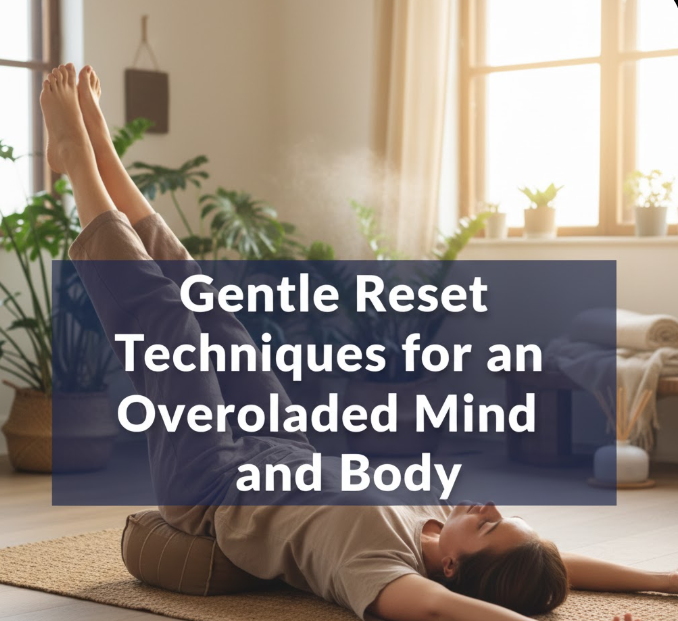
Lie with your legs against the wall and spend five minutes, or lie on your stomach and put a pillow beneath your hips and lay your forehead on your hands. These poses trigger your rest-and-digest nervous system.
Dance Like No One is Watching
Play a song that you like and dance in any way your body desires. Stretch your arms, shake on your heels, swing this side and that. It is not about how you should appear or do it right, but letting your body speak to you what it is feeling by being able to move.
Dancing is a method of getting tension and stress stored that sometimes cannot be done through structured exercise. Besides, it is almost impossible to be totally miserable when you are moving to the music you like.
Nutrition Plans to Help in the Recovery Process
Your health is directly related to what you are eating and the way you feel, in body and mind. You may need to get fast energy by reaching to sugar and caffeine when you feel overwhelmed but these cause greater crashes than energy.
Eating for Steady Energy
Pay attention to meals which contain protein, healthy fats and carbohydrates containing fiber. This combination maintains your blood sugar level rather than spiking and crashing.
Examples are:
- Eggs and vegetables, whole grain toast
- Greek yogurt and berries and nuts
- Chicken and sweet potato and broccoli
- Salmon and quinoa and leafy greens
These are meals that offer long-lasting energy without the up and down nature.
Hydration as a Brain Booster
Everything becomes difficult in dehydration. The water content in your brain is approximately 75 percent, and slight dehydration impacts on your attitudes, focus, and vitality. Carry a bottle of water and strive to take it as often as possible during the day.
In case of boredom with plain water, add lemon slices, cucumber, fresh mint, or berries to add the natural flavor. Herbal teas also add to your fluid intake and the added advantage is that it is warm and comforting.
Foods That Calm Your Nerves
Some foods have substances to help you cope with your stress. Dark leafy greens, nuts, seeds, and dark chocolate are also magnesium-rich foods and thus they relax tight muscles. Those fatty acids found in fish, walnuts, and flaxseeds are omega-3 which help the brain and emotional control.
Fermented foods such as yogurt, kefir, sauerkraut, and kimchi keep your gut healthy, which has a direct impact on your mental health because of the gut-brain connection.
Comparison: Intense vs. Gentle Reset Approaches
| Aspect | High-Intensity Approach | Gentle Reset Approach |
|---|---|---|
| Exercise | Strenuous, prolonged activity | Walking slowly, stretching, mild exercise |
| Sleep | Force 8+ hours at once | Slowly increase sleep quality |
| Nutrition | Radical diet transformation | Small, sustainable food replacement |
| Mental Health | Major therapy commitments | Daily micro-practices |
| Time Needed | 1-2 hours a day | 10-30 minutes in general |
| Sustainability | Frequently results in burnout | Long-term sustainable |
| Energy Demand | Needs energy that you do not have | Works with limited energy |
The Social Connection Role in Recovery
People are social beings, and whenever we are overworked, we tend to close off. The appropriate type of social relationship does in fact, assist your nervous system to control and heal.
Quality Over Quantity
You do not have to have a busy social schedule. A single sincere talk with a close friend can do wonders to your wellbeing than a hundred superficial interactions. Contact someone who makes you feel free to be yourself and does not expect you to perform or act like all is well.
Boundaries with Energy Vampires
There are some relationships that are more energy consuming than giving. There is nothing wrong with spending less time with those who complain always, cause drama or expect more than you can provide at the moment. It is not selfish to save your energy as you need it to recover.
The Power of Being Seen
In other times you only need someone to be aware of what you are going through without fixing it. It can be highly affirming and reassuring to have a third party observe your plight and say that that sounds like it is not easy.
Creative Expression as a Release Valve
Artists are not the only ones who can be creative. It is a necessity of humanity that assists in processing those emotions and experiences that cannot be entirely described through words.
No-Pressure Art Making
Take some paper and colored pencils, pens or crayons. Draw, scribble or draw anything that comes to the mind without thinking of the outcome. It is not about making things pretty and talented, but about using colors and shapes to show what is inside of you.
Adult coloring books provide some structure in cases when one feels overwhelmed by a blank sheet of paper. Meditative and relaxing is the repetitive movement of coloring.
Write It Out to Process It
Free writing is simply getting a pen and paper and writing whatever comes to mind without editing, correcting or censoring yourself. Set the timer to ten minutes and do not take a break until the ten minutes are completed. Write down whatever comes to your mind regardless of grammar, spelling and even sense.
The practice assists you in digesting puzzling emotions and circumstances by putting them out of your internal process and into external paper where you can perceive these factors more objectively.
Music as Medicine
Music alters the brain chemistry and emotions. Put various playlists together: relaxation music when you are nervous, positive music when you feel unfocused, depressive music when you need to cry.
Listening to some music that fits your feelings of the moment and then slowly transitioning to the mood that you would like to be in is better than making yourself listen to music that makes you feel good when you are in a terrible mood.
The Natural Restart Button of Nature
One of the best methods to reset, which does not need a particular skill or equipment, is time in nature.
The Twenty-Minute Nature Dose
It has been found out that only twenty minutes in nature can help a lot to lower stress hormones. This does not require going out to hike in the wilderness, sitting in the park, strolling through the tree-lined streets in your neighborhood, or even looking after your house plants.
Exposure to nature brings blood pressure down, anxiety, mood and improvement in cognitive functions. The fresh air, the natural light and the green area provide a rest to your nervous system which is overstimulated.
Earthing and Grounding Practices
Earthing refers to actual physical touch to the ground or ground floor, i.e. walking on grass, sand or soil with bare feet. There are studies indicating that this touch with the electric charge of the earth could help alleviate inflammation and sleep better.
Most of the population testifies that they feel more grounded and alive after being outside as bare feet even though the scientific jury is yet to speak on this subject. It does not cost anything, is not complex, and worst case scenario, you have consumed some vitamin D and spent time not staring at screens.
Bringing Nature Indoors
When you are not always able to go outside, introduce the elements of nature into your environment. Plants inside the home also enhance the quality of air and give something alive to take care of. There is nature which includes raindrops, sea waves or forest backgrounds which provide the soothing effect. Images or paintings of landscape provide visual relaxation to the eyes.
Constructing Your Own Reset Toolkit
The overwhelm of every person is unique, and therefore, your reset methods must align with your needs and likes. Developing your own toolkit is one thing—try out new methods and retain those that work.
Start With One Technique
Do not attempt to put in operation all at once—that is only an additional overpowerment. Select one of the techniques presented in this article, which appeals to you and use it throughout a week. Record the way you feel before and after. If it helps, keep it. Failing which, find something different.
Track What Helps
Make basic notes on what you have tried and the effectiveness of the same. This does not necessarily have to be detailed journaling, just jots such as “breathing exercise before bed = slept better” and “Skipped morning walk = felt foggy all day.”
With time you will observe patterns of which practices have the most significant influence in your particular situation.
Permission to Adapt
All the methods of this paper can be adjusted to your life, abilities and interests. Can’t walk outside? March in place indoors. Hate journaling? Instead, talk using a voice recorder. Don’t like yoga? Stretch while watching TV.
The aim is not to be right but to be improved. Allow yourself to make these practices helpful to you instead of trying to make them work on a one-size-fits-all basis.
Weekly Reset Ritual Example
| Day | Morning (10 min) | Midday (5 min) | Evening (15 min) |
|---|---|---|---|
| Monday | Stretch | Breathing exercise | Brain dump journal |
| Tuesday | Short walk | Five-sense reset | Screen-free reading |
| Wednesday | Breathing activity | Desk stretches | Soothing music |
| Thursday | Dance to one song | Hydration check | Nature time |
| Friday | Yoga poses | Walking break | Creative expression |
| Saturday | Slow morning routine | Social connection | Longer nature time |
| Sunday | Meal prep | Reflection time | Early bedtime prep |
When to Seek More Assistance
Soft reset methods are effective in the case of daily stress and light overload, yet, in some cases, you have more than self-help measures.
When Symptoms Persist
When you have been practicing reset techniques over a couple of weeks and still the same condition persists, then it may be time to consult a healthcare provider. Chronic hopelessness and inability to live a normal life, the wish to harm oneself, or physical complaints that just cannot be improved by changing the lifestyle are all symptoms that should be taken care of by a professional.
For those seeking comprehensive wellness resources and support, Rokvia offers valuable guidance on maintaining balance and achieving holistic health.
Types of Support Available
Therapy offers an opportunity to understand the root causes of overwhelm and come up with ways of coping. A normal doctor can examine physical causes such as thyroid disease, vitamin deficiencies or sleeping disorders. Support groups help you to associate with people who have experienced the same issues. Life coaches assist with practical ways of handling responsibilities.
It is nothing to be ashamed of seeking assistance other than that which you can give. Professional support is another tool in your toolkit and not an indicator of failure.
Making It Stick: Creating Lasting Change
These methods in this article can only be helpful when you practice them on a regular basis. This is how to stick to these practices and not to quit them after several days.
Tiny Habits for Big Results
Make new practices a part of old ones. Breathe in as your coffee is brewing. If you are brushing your teeth, stretch. Write whenever you switch off your bedroom light. By associating the new habits with the old habits, they stand a high chance of becoming automatic.
Compassion Over Perfection
You’ll miss days. You’ll forget. You will slip away into ruts. It is entirely natural and does not imply that you have been unsuccessful. Every minute is a new chance to revert to the actions which make you feel a lot better.
Self-blame is deemed as a way of increasing stress and overwhelm—the very things you are attempting to do away with. Treat yourself like you would treat a good friend who is in distress.
Celebrate Small Wins
Appreciate the slightest change. You made three deep breaths when you were experiencing a stressful situation. You have been walking ten minutes rather than scrolling. You went to bed a half an hour earlier than usual. These minuscule measures lead to major change in the long run.
Frequently Asked Questions
What is the duration of effect of gentle reset techniques?
There are individuals who experience minor improvements in just a few days particularly due to activities such as breathing and sleep hygiene. More important transformations can be expected in two to four weeks of progressive practice. Each person has his or her own schedule depending on the tiredness and application methods.
Would I have the time to do the techniques when I am busy?
Absolutely. The average time of most of these practices is between five to twenty minutes. Micro-resets can be added into breaks you have during your day. Such simple things as the practice of one technique a day could help. Focus on what is achievable at the current stage of your life and not the ideal time when you will have more time to spend.
What should I do, in a case I am still overwhelmed despite trying these techniques?
To ensure that you are changing permanently, first make sure you are practicing at least two weeks to get a lasting effect of the change. When you continue to have difficulties with it despite the practice, then you are probably in need of further assistance such as therapy, medical assessment, or a modification in your life situation that cannot be achieved through self-help.
Are these methods supported by science?
Yes. Exercises of breathing stimulate the parasympathetic nervous system, decreasing the level of stress hormones. Frequent exercise elevates mood due to the release of endorphins. Sleep is also important to give your brain time to cleanse and form memories. Exposure to nature reduces the amount of cortisol. According to the National Institutes of Health, the overall evidence of these soft methods of coping with stress is overwhelming.
Which technique shall I begin with?
Select something that is easy and attractive to you. Movement practices are not to be used initially in case you dislike exercise. Journaling is not essential to you unless you are a writer. Your instinct can come to your aid a lot, and you should believe in the method which attracts your attention or appears the most feasible at the moment.
Can these techniques substitute medication or therapy?
No. The practices are complementary to professional treatment, and they are not alternatives to the required medical or mental health services. Rather than the alternative to professional assistance, think of them as additional instruments, complements of other interventions that make them more effective.
Your Path Forward
When you are overwhelmed, it does not imply that something is wrong with you. It is like your system is over-burdened and requires assistance. The methods of gentle reset techniques in this article provide simple and effective methods to assist your mind and body to reboot without necessarily asking a lot more than you can give.
All you have to do is not be an expert in all these practices. You don’t need to do them all. All you have to do is to begin with where you can help and be consistent with what aids you and be kind with yourself on the way.
Your wellbeing matters. Rest is not being selfish or lazy, it is part of necessary maintenance that would enable you to present yourself in your life with more energy, clarity and resilience. Begin with simple steps, learn to be patient with yourself, and have faith that slow and steady steps will lead to real change in the long run.
The methods are available whenever you are willing to employ them. That mind and body of yours, overloaded as it is, is in need of the release that comes with finally allowing yourself permission to slow down, breathe and reset.